

Sachet Packaging Machine Buying & Technical Guides
Sachet packaging machine guides by buying stage: how machines work, how to choose one, sachet versus stick pack, and what to prepare before you ask for a quote.
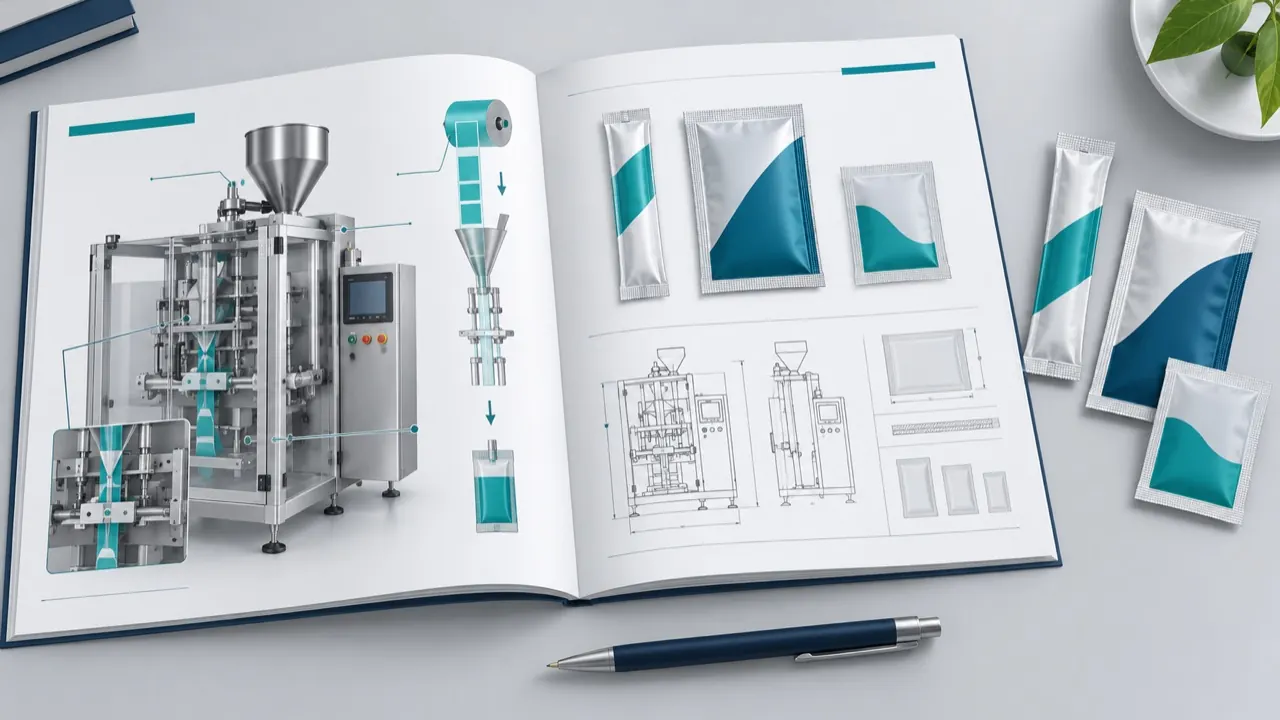 Illustration
These guides help you specify a flat sachet packaging machine before you talk to a supplier. They follow the order most buyers work in: selection, then format and film, then operation and acceptance. Find the stage you are at and read from there.
The guides cover how sachet machines generally work and what to check. They give no model data, speeds or accuracies, because those depend on your product, film and sachet. We work them out with your material, and we say how in the quotation.
How should I use these guides?
Each stage asks a different question.
- Selection. What am I packing, how much per sachet, and how many sachets a minute do I need? The answer tells you which machine family to look at: powder, liquid, granule, single-lane or multi-lane.
- Format and film. What does the sachet look like, which seal style fits, and which film protects the product and also runs on the machine? This stage ties the product to the package.
- Operation and acceptance. How will the machine be cleaned, changed over, run by operators and checked before and after delivery? Hidden costs and delays usually turn up here.
Skipping a stage causes most of the trouble. Pick a film before the sachet format, or ask for output before naming the product, and you get a quotation that can't be compared with anything.
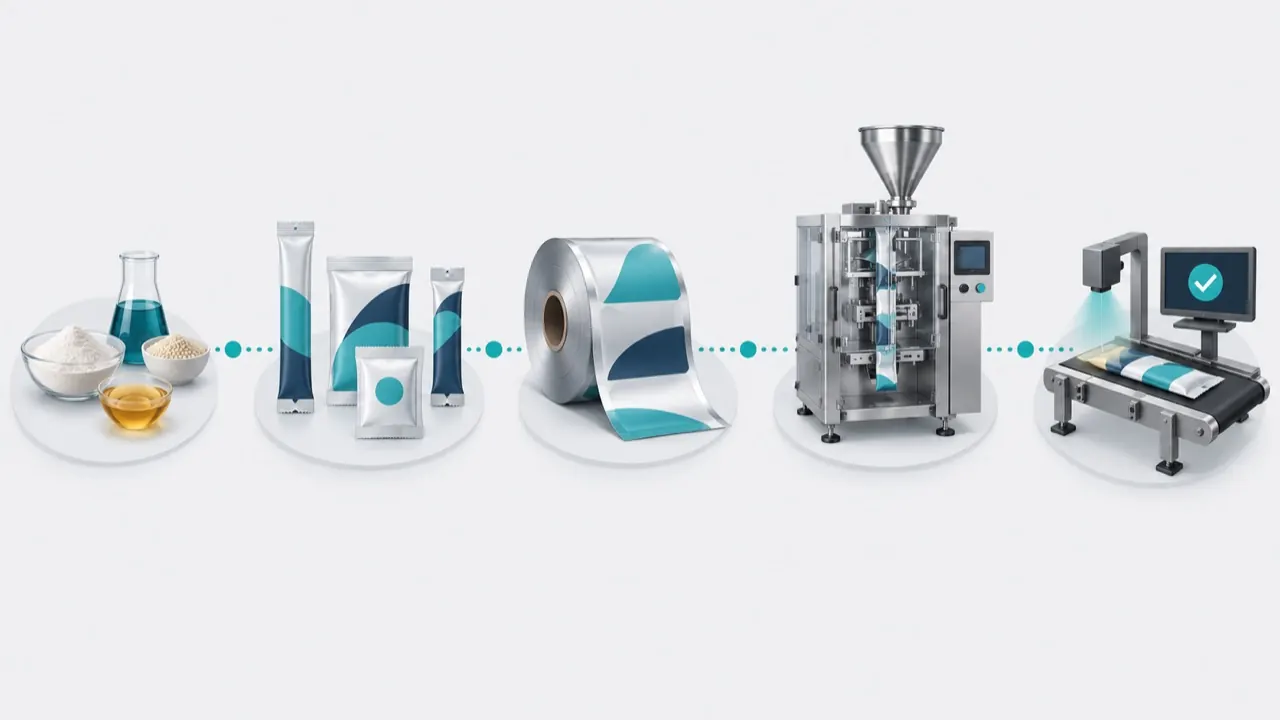
Illustration: the guide topics grouped by buying stage. Start with the group that matches your question.
What is in each guide today?
Understanding the process
How sachet packaging machines work follows the film and product through the machine: unwinding, registration, forming, sealing, dosing, cross-sealing, cutting and discharge. It also covers multi-lane slitting, 3-side against 4-side seal, and which faults tend to show up at which stage. Read it first if the terms in quotations are unfamiliar, or if you are chasing a problem on a machine you already own.
Making the selection
How to choose a sachet packaging machine is the decision path. It starts with product behaviour and fill amount, then moves through sachet size, output, film, cleaning, floor space, downstream equipment and operators. It has a table that links product behaviour to the dosing approach worth evaluating, a checklist of what to tell a supplier, and a list of red flags in proposals.
Choosing the format
Sachet versus stick pack compares the two formats by product, presentation, use and line impact. Read it if you aren't sure a flat sachet is the right package, or if your market uses both.
What should I answer before contacting any supplier?
A supplier can only recommend a configuration from the facts you give. Collect these first.
- The product: powder, liquid, paste or granule; fine or coarse; free-flowing or sticky; any particles, oils, sugar or salt; whether it takes up moisture or is sensitive to heat or light.
- The fill amount per sachet and the tolerance your market or customer expects, by weight or by volume.
- The sachet format: seal style, rough dimensions, any tear notch or hang hole, and whether the film is printed with registration marks.
- Output, in sachets per minute or per shift, and working hours per day. Separate what you would like in theory from what you must pack to meet orders.
- The film you use now or plan to use, and who supplies it. If it isn't decided, say so.
- How often you switch products or sizes, and what cleaning your product or customers demand.
- Floor space, power, compressed air and room conditions.
- What comes after the sachet: counting, cartoning, case packing, coding or inspection that has to connect to the machine.
- Who will run, clean and maintain the machine, and how experienced they are.
If you can answer six or seven of these, a conversation about configuration gets concrete. If you can answer fewer, begin with the selection guide.
Where should I go after the guides?
Once you know your product type, go to its machine page. Powder sachet packing machines covers auger and cup dosing, and liquid and paste sachet packing machines covers pump dosing and what viscosity, dripping and foaming do. If output is your main worry, multi-lane sachet packing machines explains what limits lane count and how theoretical output differs from verified output.
For budgeting, what affects sachet packaging machine price lists the cost drivers so you can compare quotations on equal terms. If your product is unusual or the film is untested, product and film trials describe how a test is planned and what it tells you. When you are ready to specify, request a quotation on WhatsApp with the details listed above.
Which topics are we preparing?
We plan to add guides on film structure and selection, capacity planning, sealing problems, filling accuracy and factory acceptance testing. None of these is live yet. Until they are, the process and selection guides cover the basics in each area, and the trial page shows how to check them on your own product.
Questions about these guides
Do I need to read all the guides?
No. If you already know your product and format, go straight to the selection guide and the matching machine page. If two quotations look inconsistent, the process guide helps you see which stage each difference comes from.
Where can I find specific model data?
Not in the guides, which are general selection and engineering advice. Ask for model data, speeds and accuracies in your quotation request, and we will give them for your product.
Can the guides replace a trial?
No. They help you ask better questions and spot risks, but only a test with your product and film shows how it fills, seals and discharges.
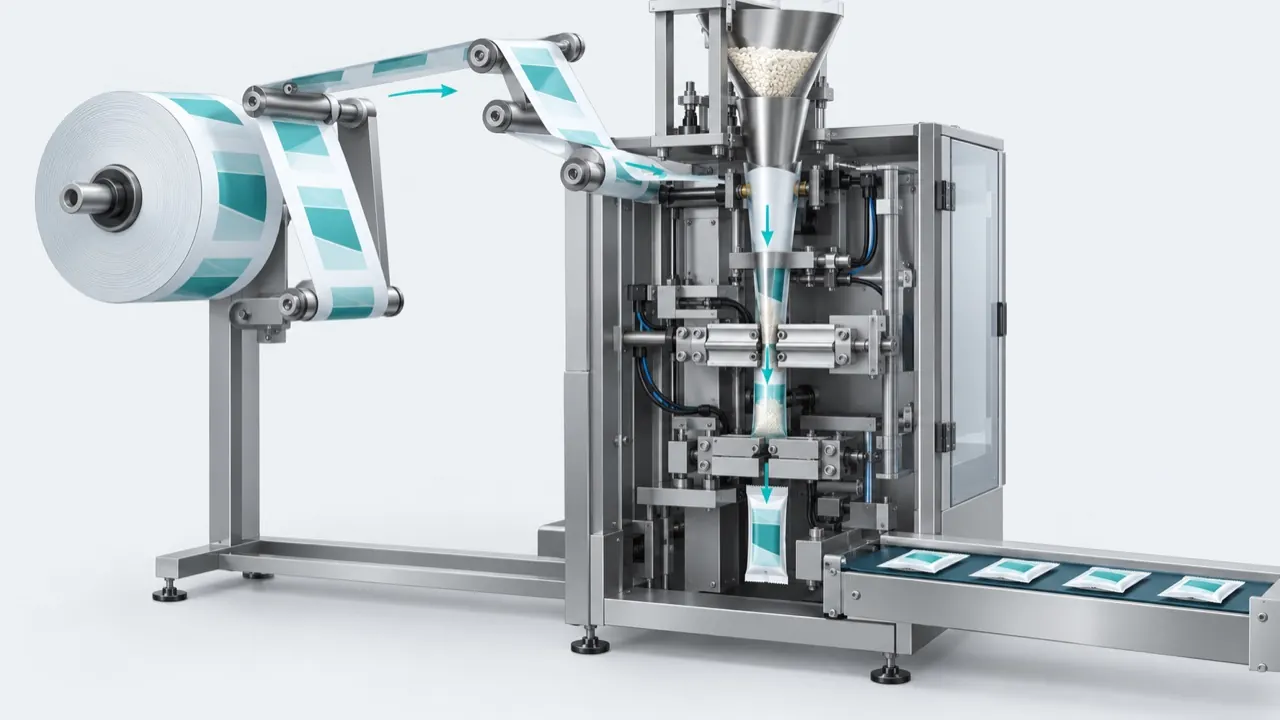
How Sachet Packaging Machines Work
How does a sachet packaging machine work? Follow the film from unwind to discharge, with what goes wrong at the seals, the dosing station and the cutter.
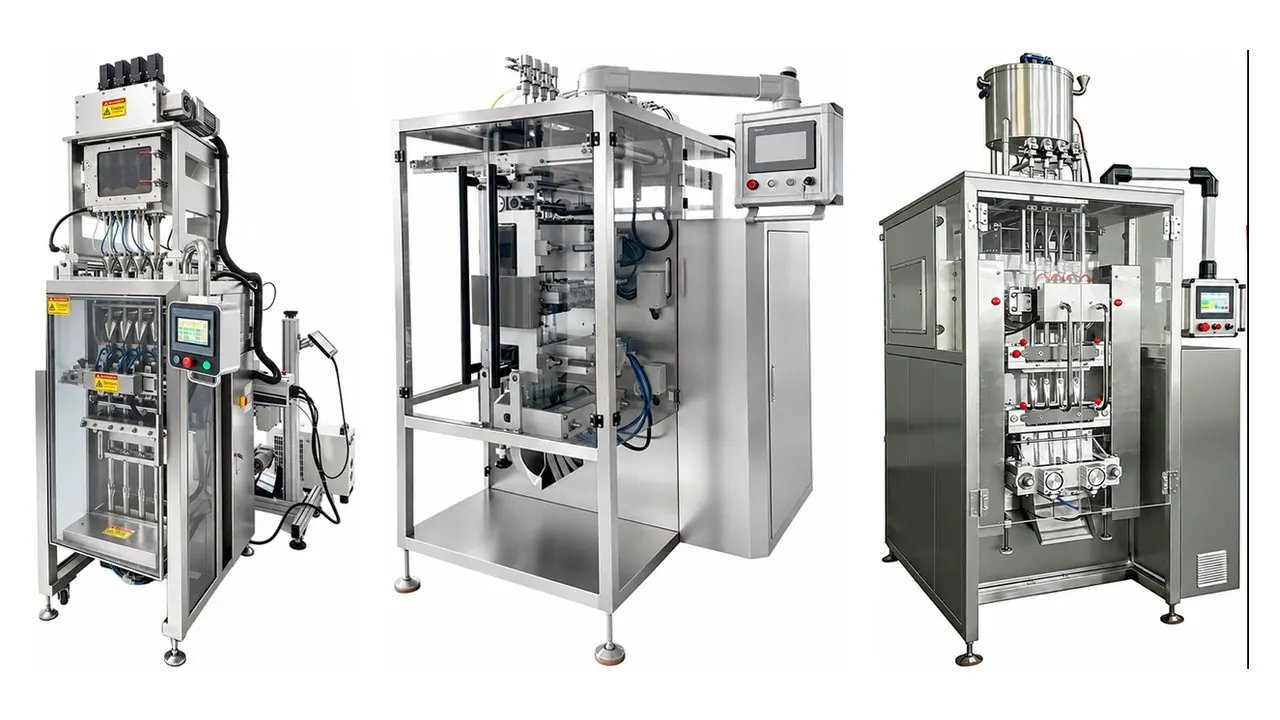
How to Choose a Sachet Packaging Machine
How to choose a sachet packaging machine: start from your product, then fix fill, format, output and film. Includes a supplier checklist and proposal red flags.

Sachet vs Stick Pack: Choosing a Single-Serve Format
Sachet vs stick pack: how shape, printable area, opening, film use, seals and machines differ, with a decision table to help you pick a single-serve format.
Not sure which configuration fits your product?
Send your product and pack details, or ask for a trial on your own material before you decide.