

Find Sachet Packaging Equipment for Your Product
Sachet packaging applications by product: how powder, granule, liquid, paste and foaming products behave, and which machine page and trial to start with.
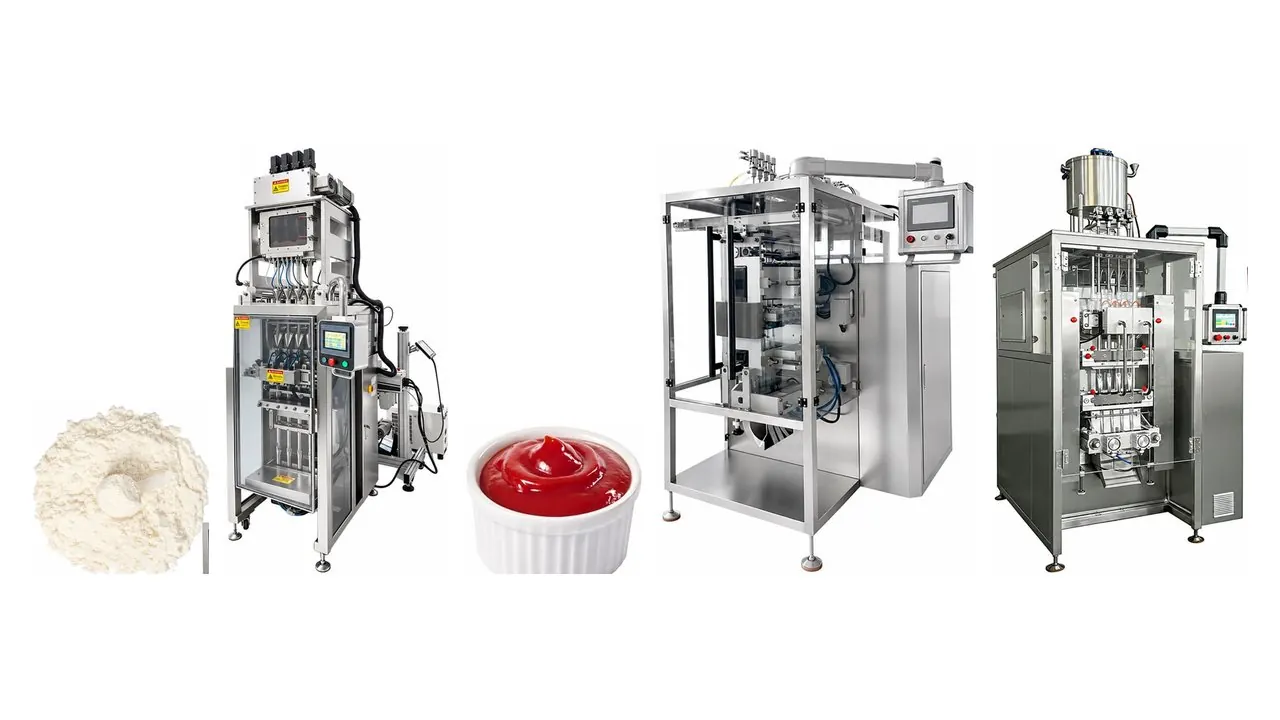
The right sachet packaging equipment depends less on the industry you sell into and more on how your product behaves. Does it pour, pack down, drip, string or foam? Start from what you pack, work out which of those behaviours applies, and the machine page and application page that fit will follow. If we have no dedicated page for your product, we say so and suggest a product and film trial instead of guessing.
How much you can fill, how fast, and whether a product suits the machine at all depends on the product itself. We won't quote numbers for a product we haven't seen run.
Start with how your product behaves
Two products from the same industry can need different dosing systems, while two products from different industries can share one. Describe yours in these terms before you look at machine types.
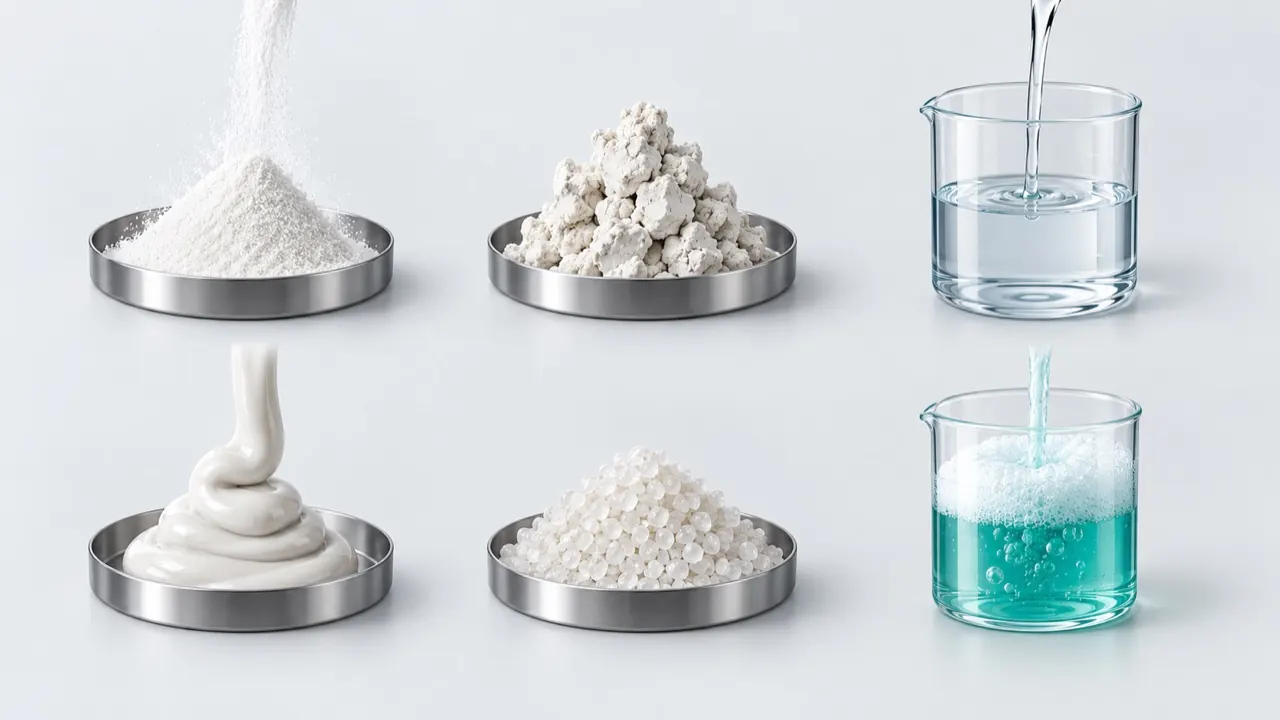
Illustration: the six product behaviours that most often decide the dosing method and the sealing risk.
Free-flowing powder
Dry powder that pours smoothly and doesn't clump. It usually fills well by volume or by auger, but fine dust can reach the seal area and weaken the seal.
Cohesive powder
Powder that sticks to itself, bridges in the hopper or packs under its own weight, often because of moisture. It needs a dosing method that forces product forward, and the hopper design and the humidity of the packing room both matter.
Granules and crystals
Larger, more uniform pieces that flow easily and are usually dosed with a volumetric cup. Dose weight follows bulk density, so a new batch can shift the weight.
Thin liquid
Water-like liquids that flow and splash. A pump is the usual way to dose them. Watch for drips at the cut-off and liquid in the seal area.
Paste and viscous product
Thick products that move slowly and may string when the dose is cut. Pump choice and the way the nozzle shuts off decide whether the seal stays clean.
Foaming liquid
Products that generate air when filled. Fill speed and nozzle design decide whether foam reaches the seal.
Which machine page matches which behaviour?
| Product behaviour | Typical dosing approach | Where to read more |
|---|---|---|
| Free-flowing and cohesive powder | Auger or volumetric cup, chosen by flow and dust | powder sachet machines |
| Granules and crystals | Volumetric cup dosing | granule sachet machines |
| Thin liquid, paste, foaming liquid | Pump dosing with a controlled cut-off | liquid and paste machines |
Take the dosing column as a starting point. A product near the edge of a category, such as a fine granule or a thin paste, is best settled by running it.
Applications with their own guidance
Sauce
Ketchup, mustard and similar condiments are pastes or thick liquids, where portion accuracy, clean seals and film choice all affect each other. The sauce sachet packing page covers viscosity, particles in the sauce, and what to test.
Coffee
Instant coffee is a light, moisture-sensitive powder, and 2-in-1 or 3-in-1 mixes risk the ingredients separating. The coffee sachet packing page explains segregation, barrier film and format.
Sugar
White and brown sugar are crystals that dose well by volume, and the main worries are caking and dust. The sugar sachet and packet page covers dosing, seal dust and the difference between a sachet and a stick pack.
Shampoo
Shampoo is a viscous, often foaming liquid. The shampoo sachet packing page covers foam, viscosity and film compatibility with surfactants.
Other products
Many buyers pack products that don't have their own page yet, such as honey, dry seasoning, cosmetic samples, nutraceutical powders and detergent. A web page is not evidence that we can pack them, so do this instead:
- Read the machine page that matches the behaviour: powders for seasoning and nutraceutical powders, liquids and pastes for honey and cosmetic samples, and so on.
- Note the specific risks. Honey is very viscous and depends on temperature. Seasoning can be abrasive, dusty or oily. Detergent powder is dusty and can irritate, so plan dust control and operator protection. Cosmetic samples often have a strict appearance requirement.
- Ask for a trial with your own product and film, so the machine and film are checked with your actual product before you decide.
Application limits
Flat sachet machines suit single-serve portions of powders, granules, liquids and pastes. They don't suit every product:
- Large, irregular or fragile pieces may dose inaccurately or break.
- Very sticky or very abrasive products can need special contact parts and a test run.
- Products that need a protective atmosphere or an extended shelf-life pack need a specific packaging design agreed in writing, not assumed.
- Where hygiene and food-contact requirements apply, they have to be checked for each machine and each material that touches the product.
- Guarding, cleaning access and operator safety belong in any machine selection.
If your product falls into one of these, tell us early. It changes what we test.
What to send us
The more of this you send, the less generic our answer will be:
- What the product is, and which behaviour above it resembles
- Whether it is dry, wet, oily, dusty, sticky, abrasive or foaming
- Particle size or viscosity, if you know them
- The portion you want in each sachet, by weight or volume
- Sachet format (3-side or 4-side seal), size, and any printing needs
- The film you plan to use, or the shelf life and storage conditions you need
- Target output, and whether you think you need more than one lane
- A product sample, if you can arrange one
Questions about choosing sachet equipment by product
Can one machine pack both powder and liquid?
Usually not. A machine is configured for one family of products because the dosing system differs. Some projects put interchangeable fill systems on one frame, but that depends on the configuration and goes into the quotation.
My product is not listed. Can you still help?
Yes, we'll look at it. Start with the machine page for the closest behaviour, then send us your product details. Running a sample is the reliable way to check an unlisted product.
Should I choose by industry or by product behaviour?
By behaviour. Dosing, sealing and film choice follow how the product flows, sticks and wets the seal, not which market it is sold in.
Do I need a trial before asking for a quotation?
No, you can ask for a quotation first. A trial lowers the risk when your product is unusual, so many buyers do both. You can start a quotation on WhatsApp.
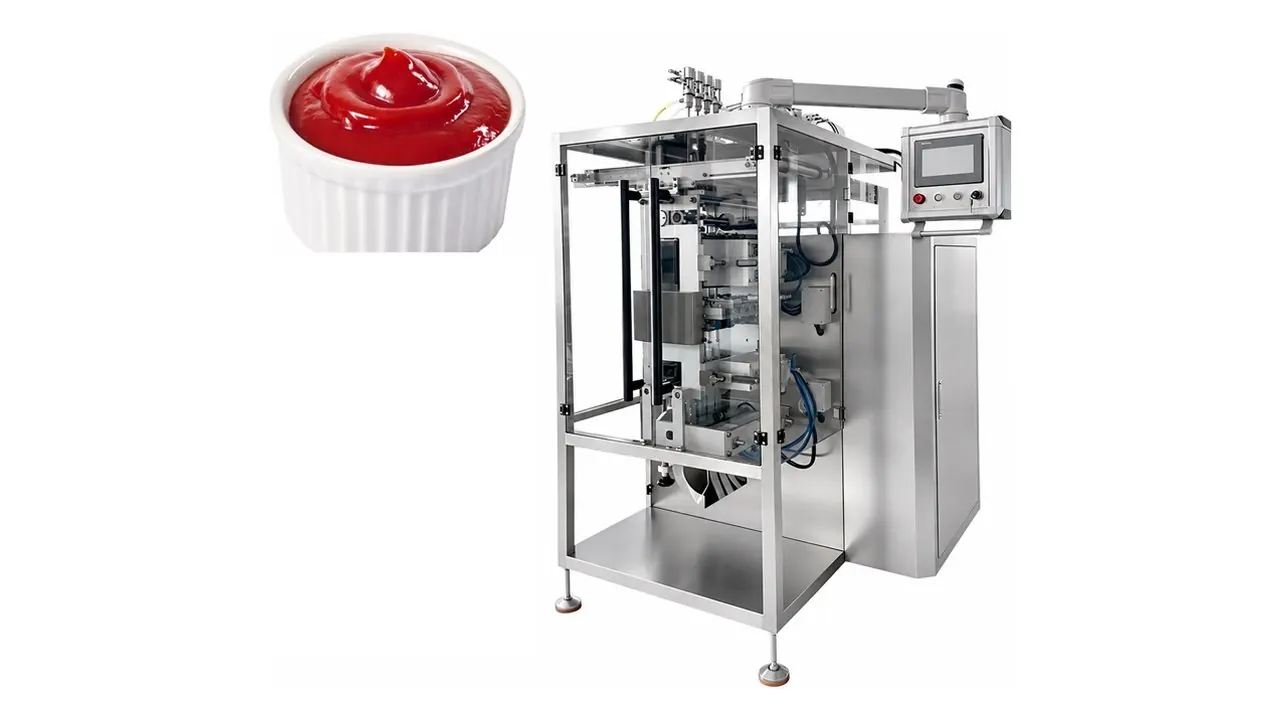
Sauce Sachet Packing Machines for Ketchup, Mustard & Condiments
Sauce sachet packing machine guidance for ketchup, mustard and condiments: viscosity, particles, portion size, dripping, seal contamination and trial checks.
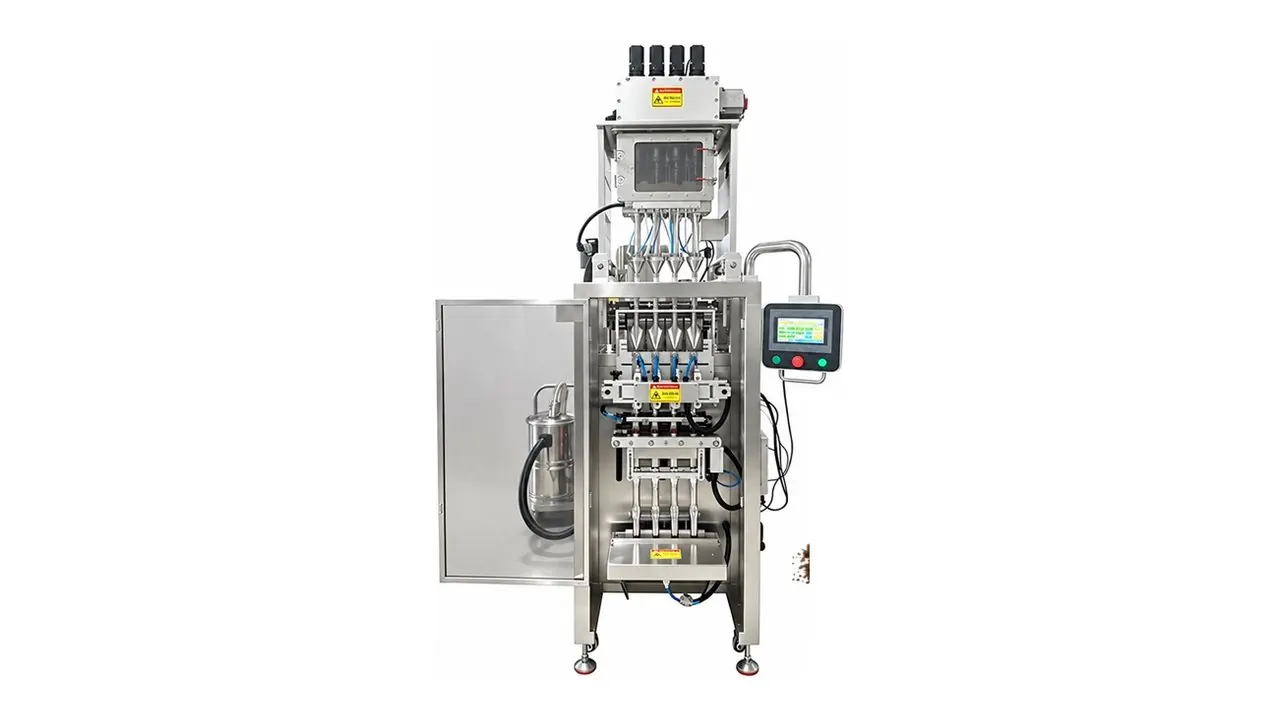
Coffee Sachet Packing Machines for Instant Coffee & Blends
Coffee sachet packing machine guidance for instant coffee and 2-in-1 or 3-in-1 mixes: segregation, moisture, barrier film and sachet format.
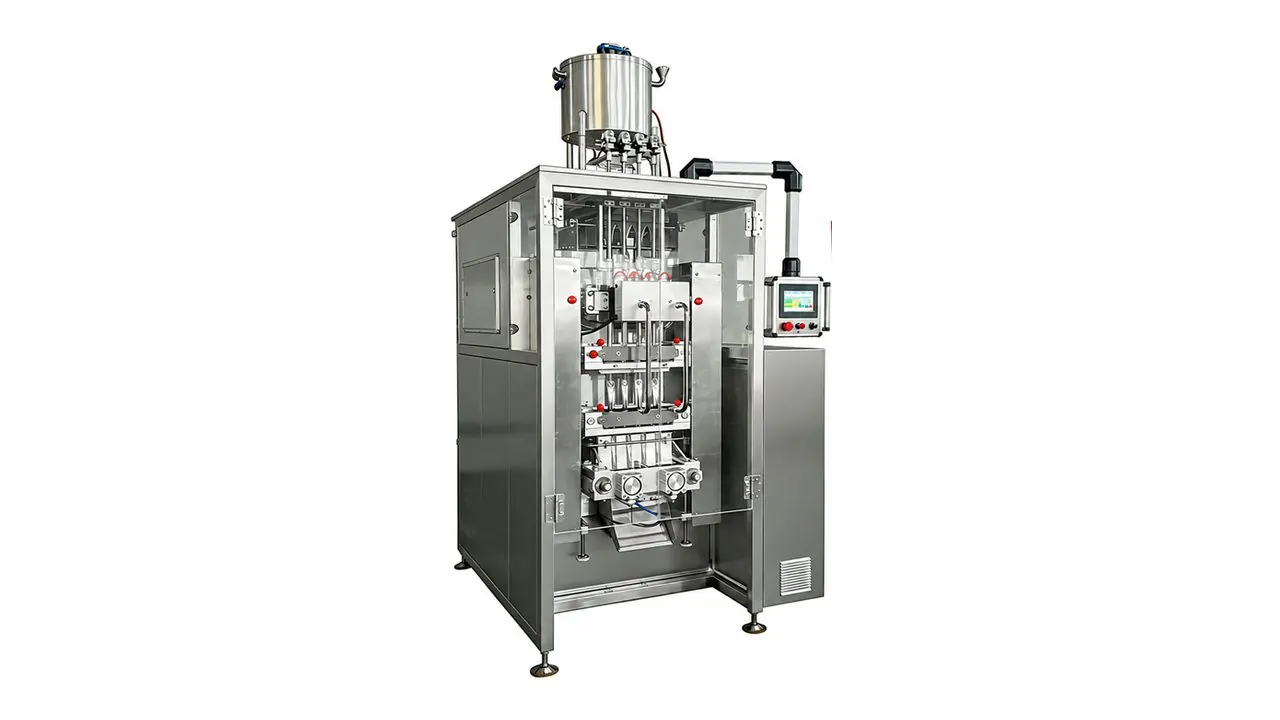
Sugar Sachet & Packet Packing Machines
Sugar sachet packing machine guidance: crystal flow, cup dosing, moisture caking, dust at seals, packet vs sachet wording, and when a stick pack is better.
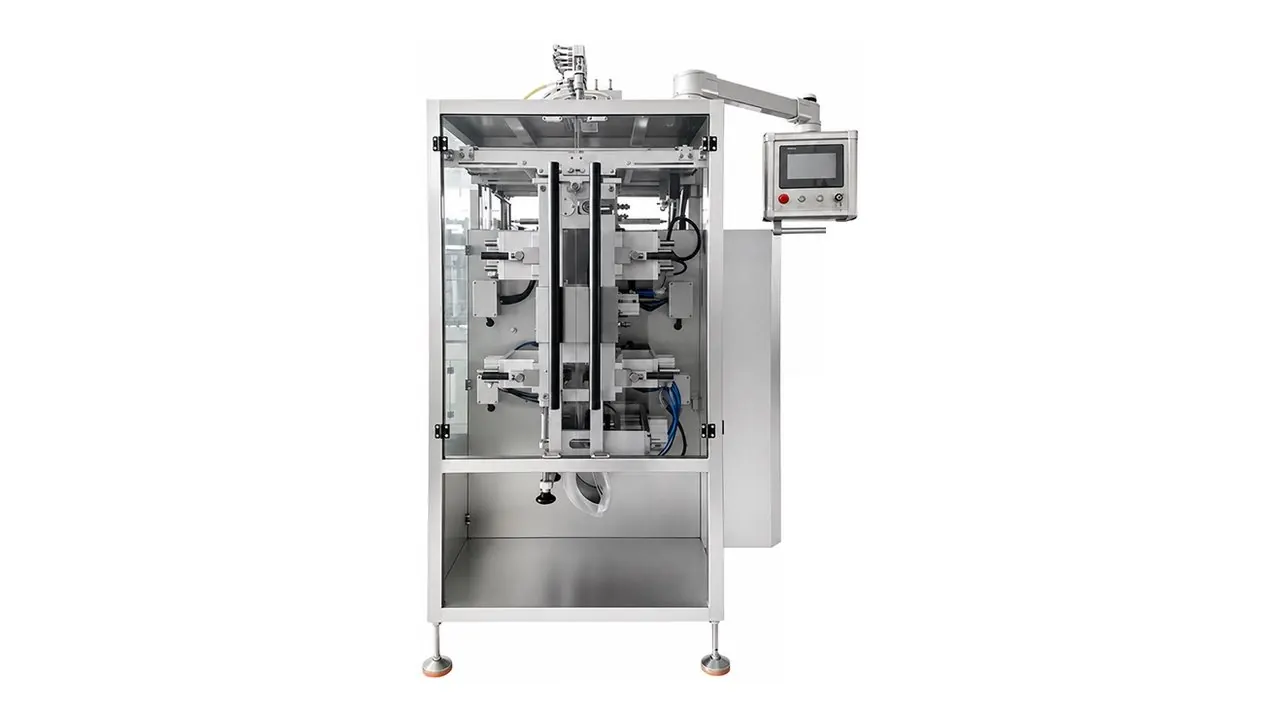
Shampoo Sachet Packing Machines
Shampoo sachet packing machine guidance: controlling foam, stringing and drips, cleaning between fragrances, print registration with eye-marks, and seal integrity.
Not sure which configuration fits your product?
Send your product and pack details, or ask for a trial on your own material before you decide.